
loader

Agriculture

kadamba GiF

Transforming Agriculture, Transforming Lives

Kadamba’s agricultural initiatives go beyond crop development—they represent a holistic transformation of rural livelihoods. By integrating innovation, sustainability, and community participation, Kadamba has empowered thousands of farmers to build resilient, diversified, and future-ready agricultural systems.From reviving traditional practices to introducing global crops and technologies, Kadamba continues to redefine agriculture as a pathway to dignity, stability, and long-term prosperity.

Farm & Agriculture Initiatives

Farm-Tech Research & Agroforestry

Driving Sustainable Agriculture

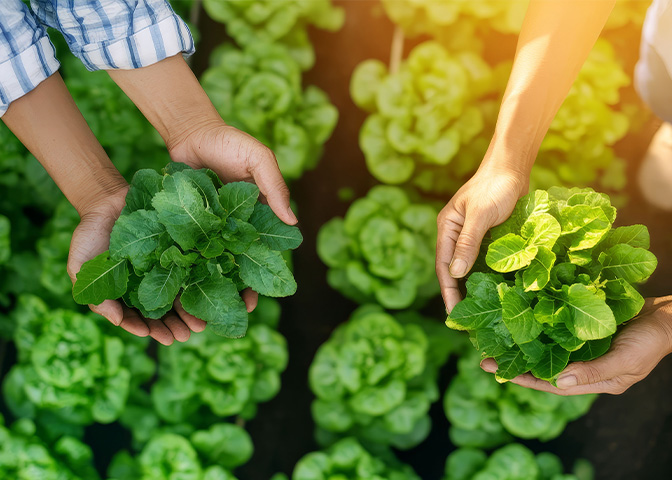
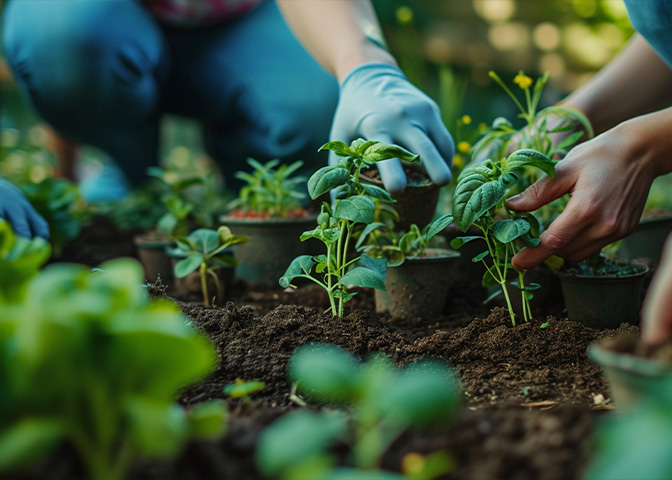
Kadamba actively promotes advanced Farm-Tech research and agroforestry models to enhance productivity, optimize land use, and ensure ecological balance. By integrating modern agricultural technologies with multi-layer cropping systems, the Foundation enables farmers to achieve higher yields while preserving soil health and biodiversity.

Rubber Development Programme

Diversifying Cash Crops

In collaboration with the Indian Rubber Board, Kadamba has facilitated the adoption of rubber as a viable commercial crop in Uttara Kannada. This initiative has enabled farmers to diversify income sources and strengthen economic stability through plantation-based agriculture.

Horticulture Development

Integrated Crop Systems

Kadamba promotes multi-cropping horticulture systems by introducing high-value crops such as cocoa, agar wood, lac, floriculture, and spices alongside traditional crops. This integrated approach optimizes land utilization, increases income per acre, and enhances agricultural sustainability.

Vanilla Rejuvenation

Reviving Lost Opportunities

After the decline of vanilla cultivation due to disease, Kadamba initiated research collaborations with CPCRI and other institutions to revive the crop. With focus on disease management, quality planting material, and market linkage, Kadamba aims to restore farmer confidence and re-establish vanilla as a high-value export-oriented crop.

Organic Farming

Restoring Soil and Sustainability

Kadamba promotes organic farming practices by encouraging the use of natural inputs and reducing dependency on chemicals. Through innovative soil management techniques, including patented microbial consortia, farmers achieve improved soil health, sustained productivity, and access to premium organic markets.

Environmental Conservation

Betta Balakedaarara Sangha (BBS)

Kadamba initiated the Betta Balakedaarara Sangha (BBS) to conserve privileged forest lands (Betta lands) in Uttara Kannada. Through community participation, reforestation, and sustainable land-use practices, this initiative protects biodiversity, strengthens ecological balance, and creates income-generating forest systems for local communities.

Agar Wood Cultivation

Building Long-Term Financial Security

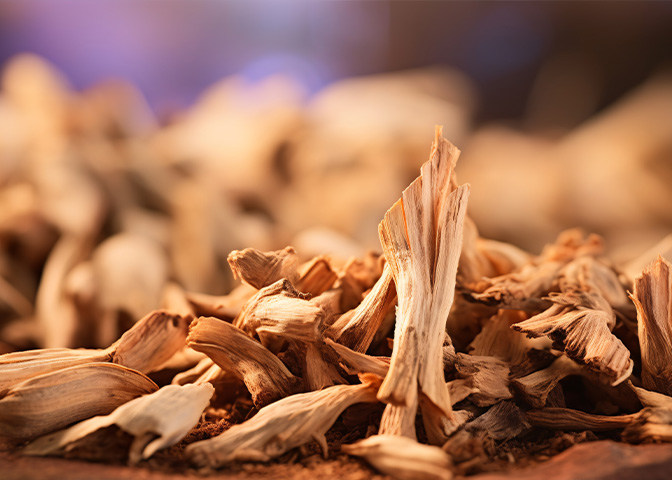
To address declining profitability and labour challenges in traditional farming, Kadamba introduced Agar Wood cultivation in partnership with Vanadurgi Agar Wood Company. As a low-maintenance, high-value crop, Agar Wood provides long-term economic security for farmers. It serves as a financial asset—supporting retirement planning, children’s education, and future stability—thereby transforming rural financial outlooks.

Gumlac Cultivation

Reviving Heritage Livelihoods

Kadamba revived traditional lac cultivation with technical support from ICAR-IINRG, Ranchi, transforming it into a viable income-generating activity. This low-investment, eco-friendly practice allows cultivation on wastelands and involves women and elderly family members, making it an inclusive livelihood model. It bridges traditional knowledge with modern market demand, strengthening rural economies

Teff Cultivation

Nutrition-Driven Agriculture

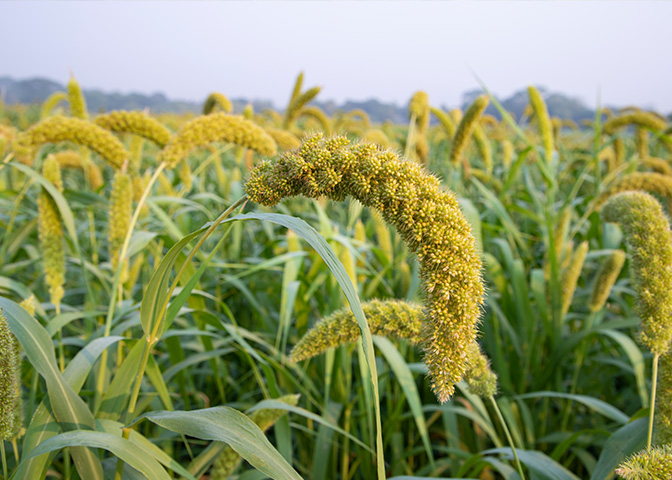
Kadamba introduced Teff, a climate-resilient and nutrient-rich crop, in drought-prone regions. Developed in collaboration with CSIR–CFTRI, Teff supports both economic and nutritional security. Its high calcium, fibre content, and low glycaemic index make it ideal for addressing malnutrition and lifestyle diseases, while also opening access to premium health food markets for farmers.

Cashew Expansion

Converting Wasteland into Wealth

Through strategic collaboration with DCCD, NHM, and state horticulture departments, Kadamba promotes cashew cultivation on barren lands. This initiative generates sustainable income for marginal farmers, creates employment opportunities (especially for women), and enhances environmental sustainability by increasing green cover and restoring degraded landscapes.

Palmarosa Cultivation

Climate-Resilient Rural Enterprise

Kadamba introduced Palmarosa under the Government of India’s Aroma Mission (CSIR–CIMAP), enabling farmers to cultivate a drought-resistant aromatic crop. With value addition through essential oil extraction, farmers—especially women—have entered micro-enterprises, enhancing income and rural entrepreneurship while building resilience against climate challenges.

Farm Machinery Exhibition

Bridging Technology and Farmers

Kadamba organized a landmark Farm Machinery Exhibition in Sirsi in collaboration with CIAE Bhopal and the University of Agricultural Sciences, Dharwad. Over 118 technologies were showcased, connecting farmers with modern tools, innovations, and industry stakeholders—marking a significant step toward technology-driven agriculture in the region.

Sandalwood Development

High-Value Agroforestry Initiative

Kadamba has actively promoted sandalwood cultivation on agricultural wastelands since 2010, with guidance from forest and horticulture departments. This initiative provides farmers with a high-value, long-term asset, integrating agroforestry with income generation and environmental conservation.

Revolutionizing Cocoa Cultivation

From Dependency to Diversification

Kadamba introduced cocoa as an intercrop within areca nut and coconut plantations, transforming unused interspaces into productive assets. In collaboration with the Directorate of Cashew & Cocoa Development (DCCD), farmers were trained in adopting high-yield hybrid varieties with assured market linkages. This initiative reduced dependency on single crops, ensured supplementary income, and strengthened farmers’ resilience against market and climate uncertainties—creating a sustainable and scalable livelihood model